


You may also like
-

Aguacate Persea Póster
Amanda Almira Newton · 1916 · Refinada lámina botánica de aguacate con pieles verdes luminosas y corte suavemente pintado
Póster desde €9 · Enmarcado desde €16
-

Aguacate (Persea) Póster
Amanda Almira Newton · 1916 · Refinada lámina botánica de aguacate con fruto verde y mitad que muestra la semilla
Póster desde €9 · Enmarcado desde €16
-
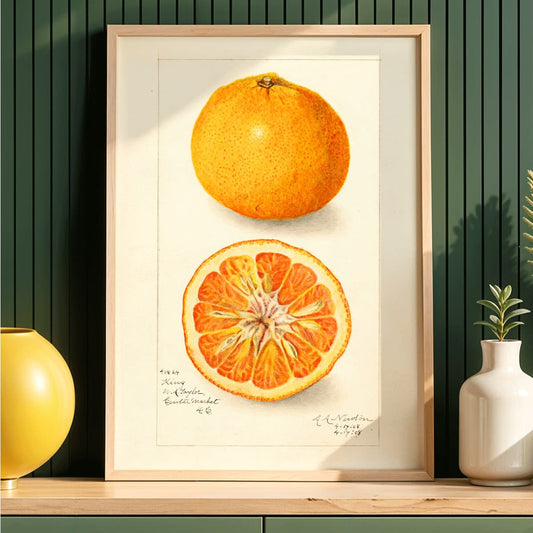
Citrus nobilis Póster
Amanda Almira Newton · 1908 · Detallada lámina botánica de mandarina con espacio negativo limpio y tonos naranjas cálidos
Póster desde €9 · Enmarcado desde €16
-
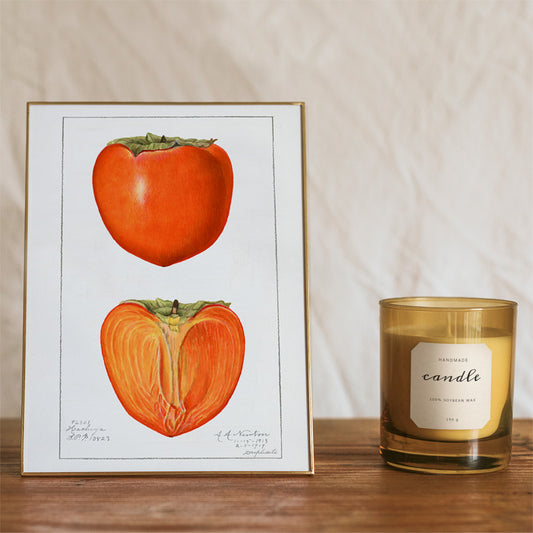
Caquis Póster
Amanda Almira Newton · 1923 · Delicada lámina botánica de caquis maduros en rama con hojas sobre fondo blanco limpio
Póster desde €9 · Enmarcado desde €16


-

'Pósters preciosos. La calidad es increíble y llegaron rapidísimo.'
-

'Una tienda a la que hay que ir sí o sí. Tienen una selección enorme de pósters. ¡Nos pasamos allí más de una hora!'
-

'Perfecto si buscas un regalo. Los precios están muy bien. Y te lo pueden enmarcar y envolver allí mismo'
Sobre el artista
Amanda Almira Newton fue una ilustradora botánica estadounidense cuyas acuarelas para el USDA marcaron un referente en la documentación pomológica a comienzos del siglo XX. En una época en que la agricultura y la ciencia alimentaria exigían registros visuales precisos, el trabajo minucioso de Newton ofreció referencias indispensables para cultivadores, investigadores y horticultores de todo el país.
Su legado perdura en la claridad y la belleza de sus estudios frutales, que siguen inspirando a coleccionistas y aficionados. Puede explorar más de su obra en la colección Amanda Almira Newton o combinarla con piezas de la colección botánica para una presentación más elaborada.
La obra
Realizada en 1916, esta ilustración de Persea americana (aguacate) refleja la misión del USDA de documentar y estandarizar las variedades frutales en un periodo de rápida expansión agrícola. Estas láminas servían como herramientas esenciales para la identificación y el control de calidad, captando matices sutiles que el texto por sí solo no podía describir.
La obra también testimonia la curiosidad de principios del siglo XX por productos nuevos y exóticos que llegaron a los mercados estadounidenses. Como registro histórico, señala la creciente presencia del aguacate en la dieta y en el mapa hortícola nacional, conectando la investigación científica con la vida cotidiana.
Estilo y características
La lámina está ejecutada en delicada acuarela, mostrando la forma del aguacate con una nitidez casi de espécimen. La composición presenta dos mitades maduras —una con la semilla visible— acompañadas de una rama con hojas verdes brillantes, todo sobre un fondo pálido y limpio que enfatiza el dibujo científico.
La paleta se mueve entre verdes frescos y verdes amarillentos, con acentos marrones cálidos en la semilla y el pecíolo. El conjunto transmite calma, equilibrio y una finalidad didáctica, lo que la hace especialmente atractiva para los amantes de la lámina artística botánica y la ilustración científica vintage.
En la decoración interior
Esta lámina de aguacate aporta un toque de historia natural a cocinas, rincones de comedor o despensas, espacios donde su motivo resulta especialmente apropiado. Sus tonos suaves armonizan con azulejos blancos, maderas o superficies pétreas, y se integra tanto en ambientes modernos como en decoraciones más clásicas.
Para un efecto armónico, combínela con otras láminas de frutas o hierbas de la colección de cocina, o deje que destaque por sí sola como un punto de interés discreto para cocineros, jardineros y amantes del diseño