


You may also like
-

Frauenbildnis II Póster
Egon Schiele · 1912 · Expresiva lámina artística de una mujer con un dramático sombrero negro
Póster desde €9 · Enmarcado desde €16
-

Moa Póster
Egon Schiele · 1911 · Lámina artística íntima de figura de mujer con túnica estampada, serena y contenida
Póster desde €9 · Enmarcado desde €16
-

Desnudo sentado de espaldas Póster
Egon Schiele · 1917 · póster vintage de un desnudo sentado con líneas de contorno expresivas
Póster desde €9 · Enmarcado desde €16
-

Mujer desnuda sentada Póster
Egon Schiele · 1914 · lámina expresionista de trazo negro delicado y amplio espacio en blanco
Póster desde €9 · Enmarcado desde €16


-

'Pósters preciosos. La calidad es increíble y llegaron rapidísimo.'
-

'Una tienda a la que hay que ir sí o sí. Tienen una selección enorme de pósters. ¡Nos pasamos allí más de una hora!'
-

'Perfecto si buscas un regalo. Los precios están muy bien. Y te lo pueden enmarcar y envolver allí mismo'
Sobre el artista
Egon Schiele fue un dibujante y pintor austríaco cuya carrera temprana transcurrió en Viena en los albores de la modernidad. Vinculado al expresionismo y a la Secesión de Viena, se hizo famoso por retratos que priorizan la profundidad psicológica sobre los ideales convencionales de belleza.
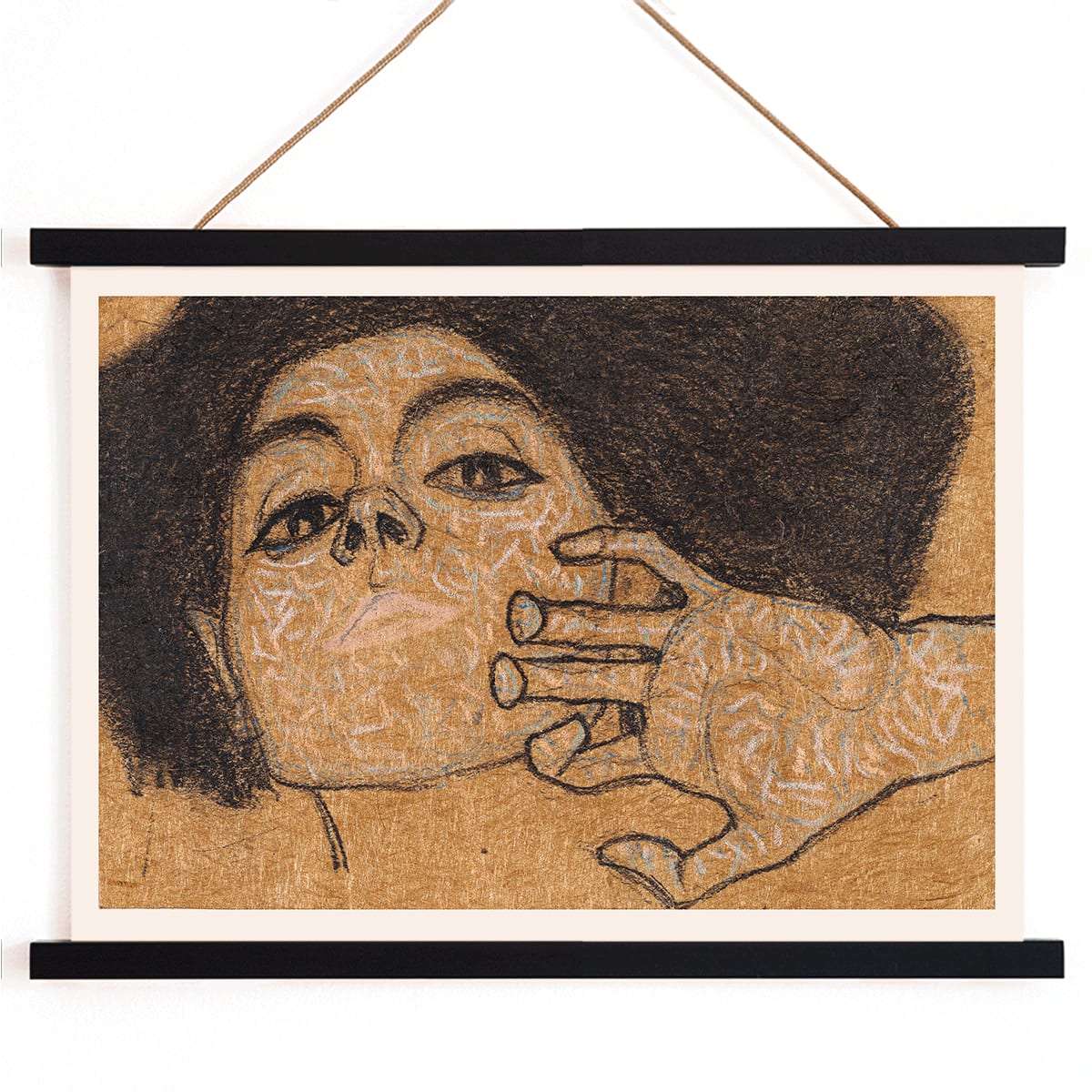
Este dibujo de 1908 representa una fase temprana de su estilo maduro, cuando comenzó a emplear la línea como vehículo de intensidad y carácter. Para ver más obras del artista, explora nuestra colección de láminas de Egon Schiele.
La obra
Cabeza de mujer refleja un momento de principios del siglo XX en Viena en que los artistas replanteaban el papel del retrato. En vez de buscar una semejanza formal, Schiele utiliza la cabeza como instrumento para indagar en la identidad y la presencia emocional. Muchas obras de este tipo funcionaban como estudios privados o piezas de portafolio, capturando la búsqueda de autenticidad del artista en un clima cultural en rápida transformación.
En el contexto del fin de siglo vienés, la figura humana se convirtió en foco para explorar nuevas ideas sobre el yo y la percepción. Esta lámina vintage propone un encuentro íntimo con la individualidad del modelo y la visión expresiva de Schiele, invitando a una contemplación pausada y atenta.
Estilo y características
La composición es minimalista: la cabeza femenina queda aislada sobre un fondo vacío, delineada por contornos decididos y seguros. La preferencia de Schiele por la estructura se aprecia en rasgos fuertemente trazados y en sutiles lavados marrones que sugieren volumen sin modelado completo.
La paleta es contenida, sustentada en tinta negra y tonalidades cálidas marrones, mientras el color natural del papel aporta contraste. El estado de ánimo es contemplativo y vigilante, característico del temprano enfoque expresionista del artista. Si te interesan obras en esta línea, consulta nuestra selección de arte clásico para pared.
En la decoración interior
Esta lámina artística encaja en ambientes donde se busca un punto focal meditativo y con carga artística, como dormitorios, rincones de lectura o despachos. Sus tonos discretos combinan con maderas cálidas, lino y paletas neutras, integrándose tanto en interiores modernos como escandinavos o de inspiración galerística.
Para una presentación armónica, considera agruparla con otros dibujos de principios del siglo XX o con fotografía minimalista, dejando espacio blanco generoso alrededor del marco. Un marco fino negro o en nogal oscuro enfatizará la cualidad lineal; en nuestra colección de marcos encontrarás opciones para una presentación elegante