


You may also like
-

Governor Wood Póster
Ellen Isham Schutt · 1911 · Realista lámina botánica de cereza con fruto rojo brillante y hojas verdes nítidas
Póster desde €9 · Enmarcado desde €16
-

Cereza silvestre Póster
Ellen Isham Schutt · 1905 · Delicada lámina artística de manzano silvestre con frutos rubí y hojas nítidas sobre fondo blanco
Póster desde €9 · Enmarcado desde €16
-
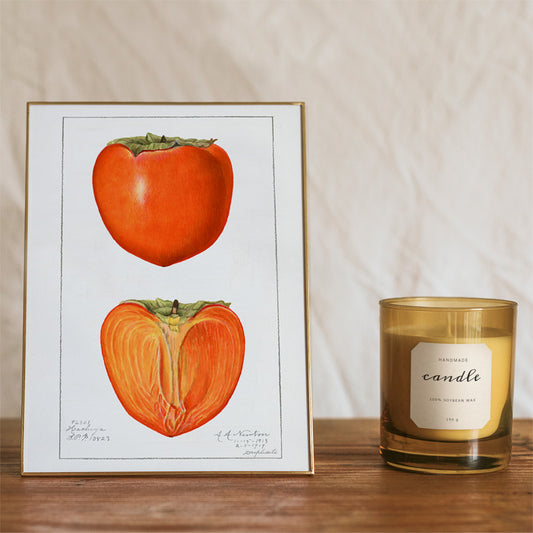
Caquis Póster
Amanda Almira Newton · 1923 · Delicada lámina botánica de caquis maduros en rama con hojas sobre fondo blanco limpio
Póster desde €9 · Enmarcado desde €16
-

Malus domestica Póster
Mary Daisy Arnold · 1915 · Detallada lámina botánica de manzana con fruto entero y sección en papel cálido
Póster desde €9 · Enmarcado desde €16


-

'Pósters preciosos. La calidad es increíble y llegaron rapidísimo.'
-

'Una tienda a la que hay que ir sí o sí. Tienen una selección enorme de pósters. ¡Nos pasamos allí más de una hora!'
-

'Perfecto si buscas un regalo. Los precios están muy bien. Y te lo pueden enmarcar y envolver allí mismo'
Sobre el artista
Charles Steadman es reconocido por sus aportaciones a la ilustración botánica de principios del siglo XX, un campo donde la precisión científica y la sensibilidad artística se encuentran. Su obra refleja la influencia de los herbarios y de los materiales didácticos botánicos, destacando a la vez la exactitud y la claridad estética. Las ilustraciones de Steadman fueron valoradas por jardineros, botánicos y docentes por su representación fiel de las especies vegetales.
Su legado perdura entre otros ilustradores de historia natural en nuestra colección de arte mural botánico, y atrae a quienes buscan belleza decorativa combinada con rigor científico.
La obra
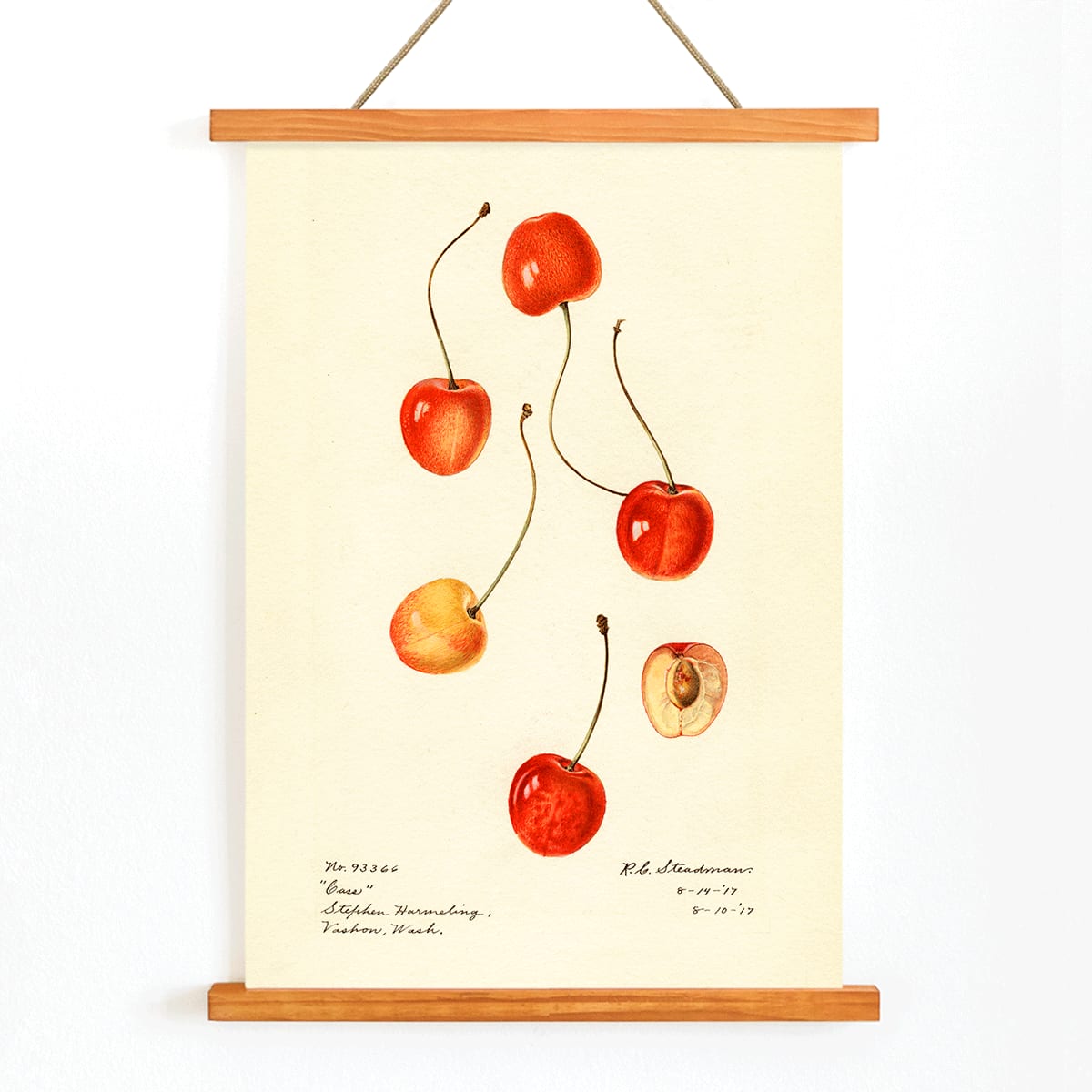
Esta lámina de 1917 representa Prunus avium, el cerezo dulce, especie apreciada por sus floraciones primaverales y su fruto estival. Las láminas botánicas como esta se creaban para educar e informar, sirviendo de referencia esencial para horticultores y aficionados al jardín en una época en que la precisión visual era crucial para la identificación y el cultivo. La obra encarna la dedicación de la época a fusionar conocimiento científico con atractivo visual.
Estas ilustraciones vintage se utilizaban tanto en entornos educativos como domésticos, reflejando una valoración cultural amplia por la naturaleza y los alimentos de temporada.
Estilo y características
La composición presenta una única rama de cerezo, cuidadosamente dibujada con racimos de frutos rojos maduros y hojas verdes frondosas sobre un fondo beige neutro. Steadman emplea finas líneas y sombreados sutiles para resaltar la estructura de los tallos y la redondez de las cerezas, creando una sensación de claridad y orden.
La paleta cromática combina rojos vivos, verdes frescos y beiges cálidos, con toques de marrón en la rama. El efecto general es a la vez fresco y nostálgico, ofreciendo una lámina botánica clásica que equilibra el encanto decorativo con la intención científica.
En la decoración interior
Esta lámina botánica aporta una explosión de color contenida, ideal para cocinas, rincones de desayuno o comedores donde los motivos naturales encajan con armonía. Su elegancia discreta combina bien con muebles en madera clara, tejidos de lino y esquemas de color neutros.
Considera exhibirla junto a otras láminas científicas para crear una pared curada, o deja que destaque en solitario para subrayar su simplicidad refinada. También armoniza a la perfección con interiores que incluyan acentos rojos y tonos cálidos y terrosos.